
Clark Educators Share Student Success Strategies
College leaders highlight innovative approaches to belonging, collaboration, resilience, and retention
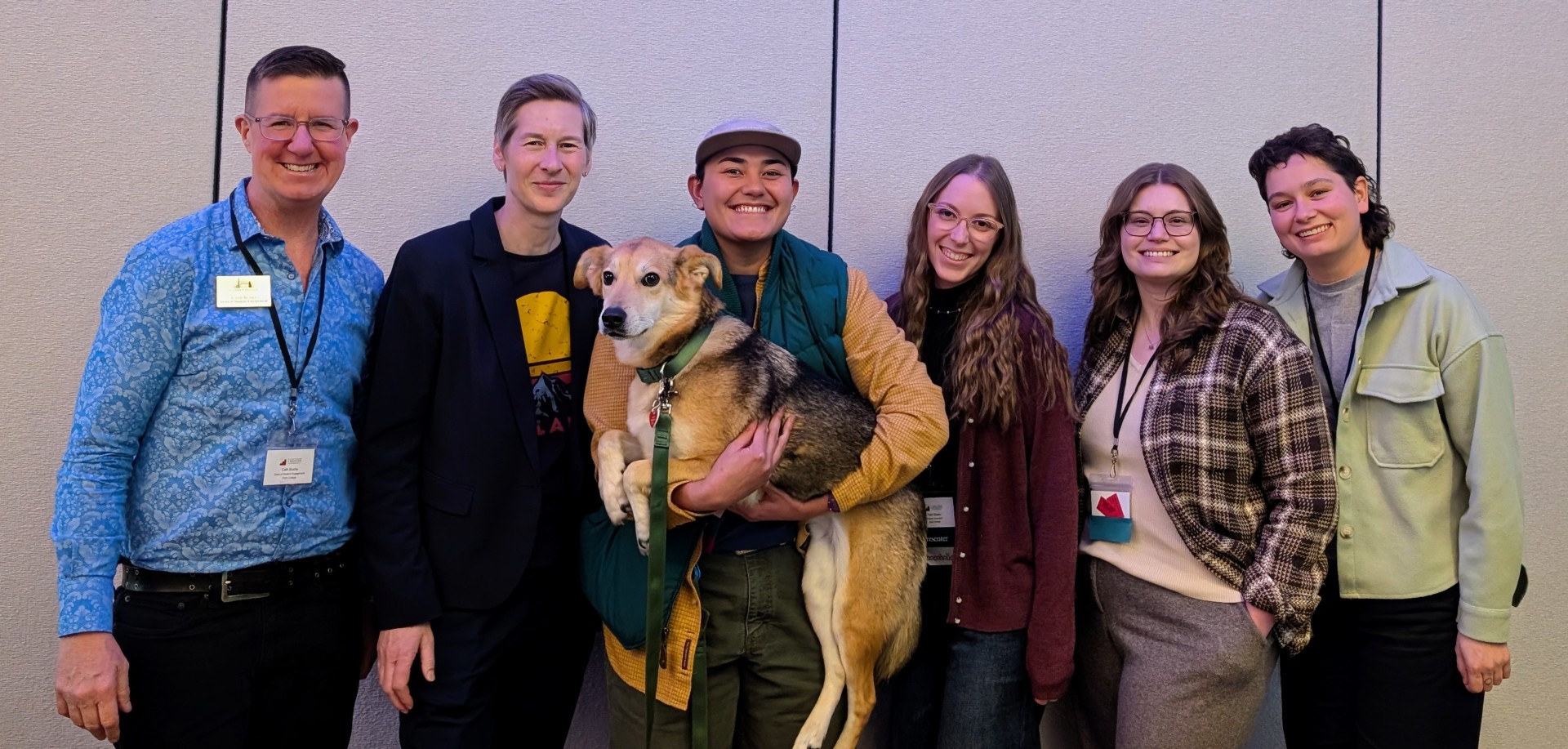
Pictured (L to R): Cath Busha, Dr. Sue Orchard, Caitlin Malvar, Oso, Pearl Brown, Meagan Montalto, and Phoebe Cordova
Clark College faculty and staff joined more than 300 higher education professionals from across the region at the Oregon Student Success and Retention Conference, held at the Portland Sheraton Airport Hotel on Feb. 11–13. As colleges across the region grapple with how best to support students through complex challenges, the annual conference focused on strengthening student persistence, wellbeing, and equity in higher education.
This year, Clark representatives played a leading role, presenting innovative, relationship-centered approaches that support students inside and outside the classroom. Their participation highlighted Clark’s commitment to equity, fostering belonging, and removing barriers to student success.
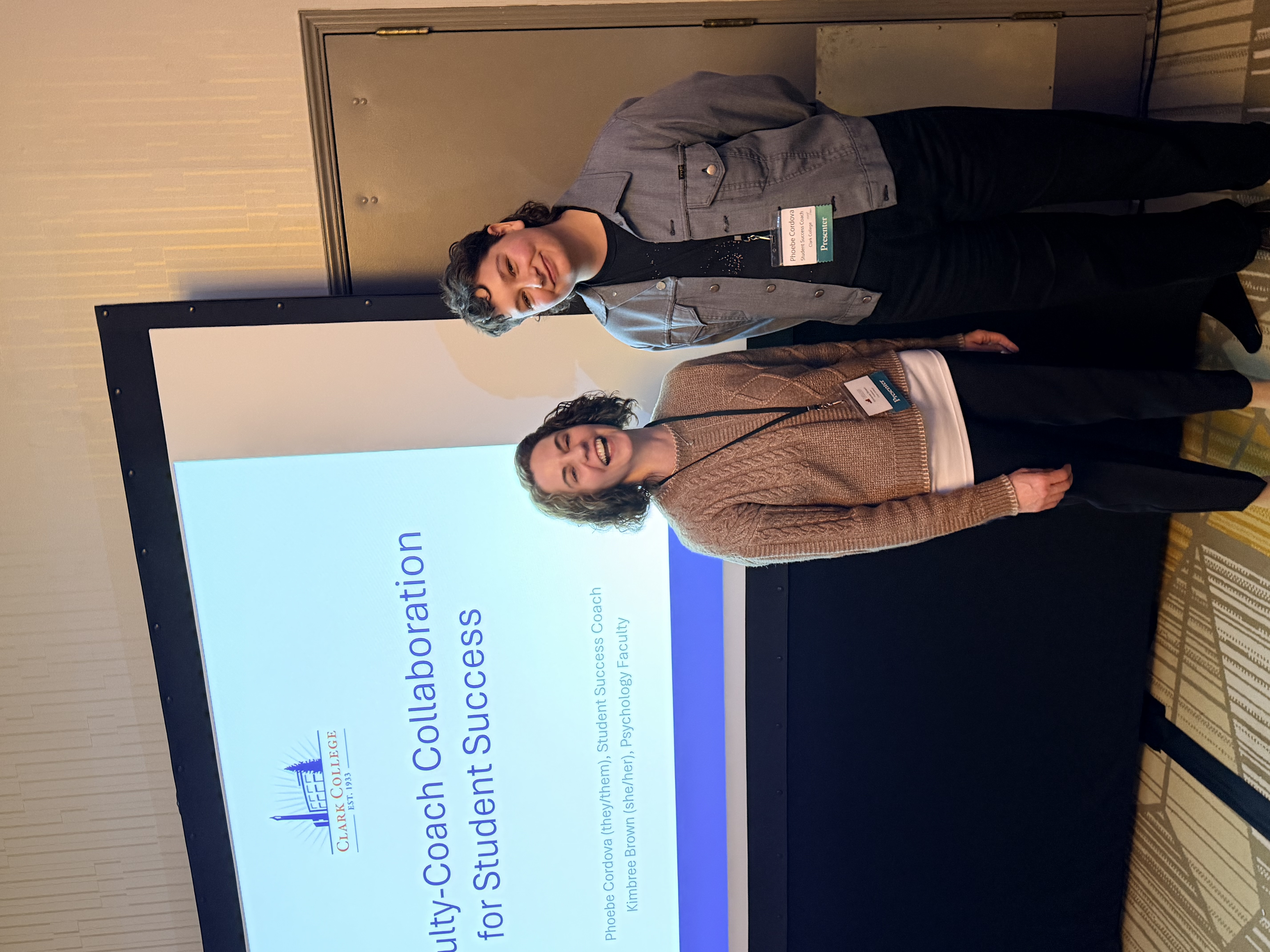
Integrating Coaching into Classrooms
One featured presentation highlighted a collaborative teaching model developed by Kimbree Brown, tenure-track psychology professor, and Phoebe Cordova, student success coach (pictured right). Since spring 2025, Kimbree and Phoebe have partnered in introductory psychology courses to integrate academic coaching directly into classroom instruction. Their model combines course content with study strategies, time-management skills, and self-advocacy practices.
“Integrating coaching into the classroom helps students feel supported before challenges become overwhelming,” Phoebe said. “It shows them that success is something we build together.”
Phoebe also emphasized the value of early connection.
“Being present in the classroom helps build trust from the beginning,” she said. “Students know they have someone who understands both their academic and personal challenges.”
Their presentation explored the positive impact of this approach on student engagement, confidence, and persistence.
Building Resilience Through Improv Practices
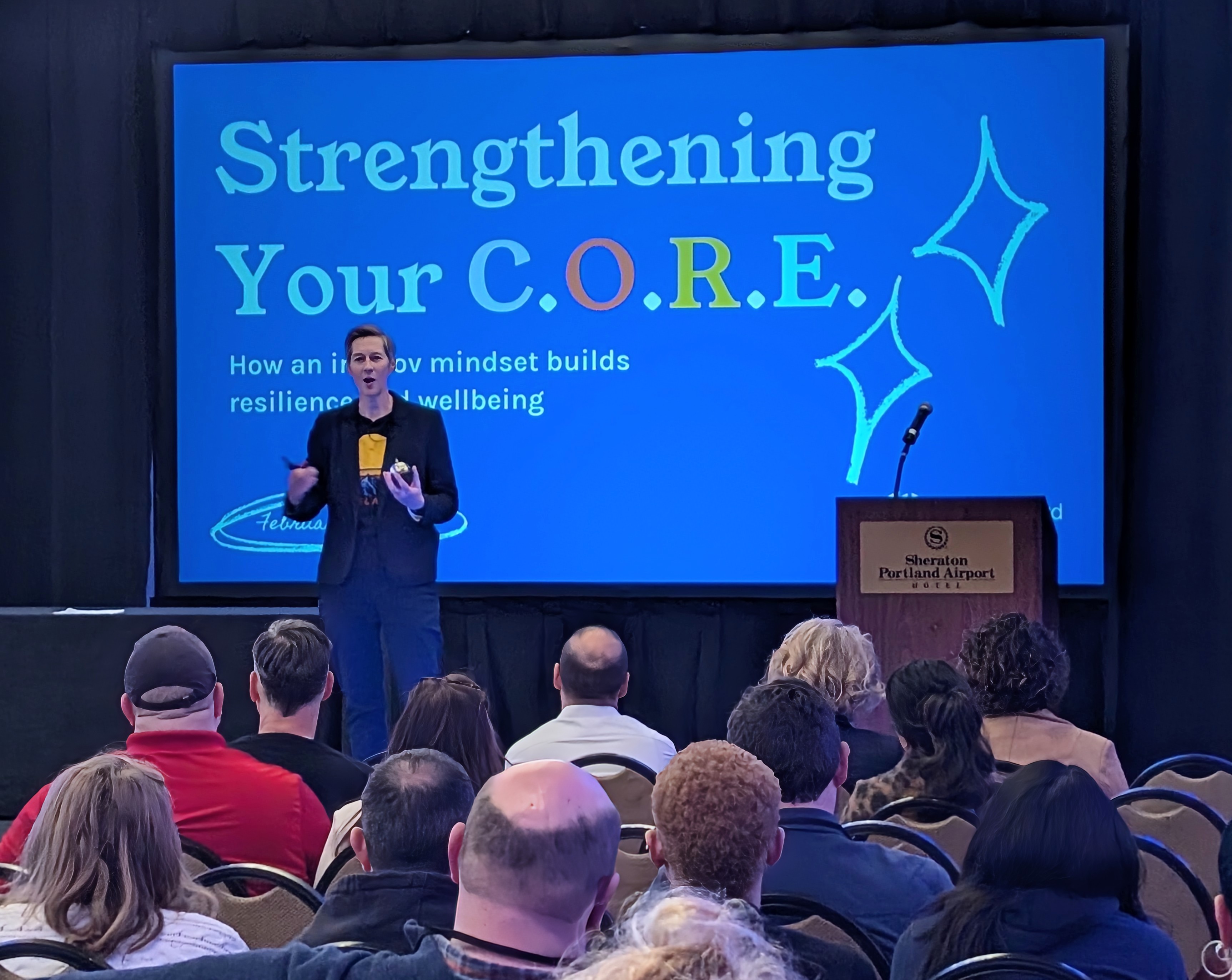
Vice President of Student Affairs Dr. Sue Orchard (pictured above) shared insights during her keynote session, “Strengthening Your CORE: How an Improv Mindset Builds Resilience and Wellbeing.”
Drawing on principles of improvisational theater, Dr. Orchard demonstrated how adaptability, active listening, and openness can support leadership development and emotional wellbeing in higher education.
“When life goes off script, our character and purpose keep us grounded,” Dr. Orchard said. “In uncertain situations, our ability to stay present and flexible matters. Improv helps us respond with flexibility, empathy, and creativity.”
Participants reflected on their values in action and relationships through interactive exercises. They discussed how these practices can strengthen teamwork, communication, and student support services while building environments that bring out the best in others.
Centering Relationships in Basic Needs Support
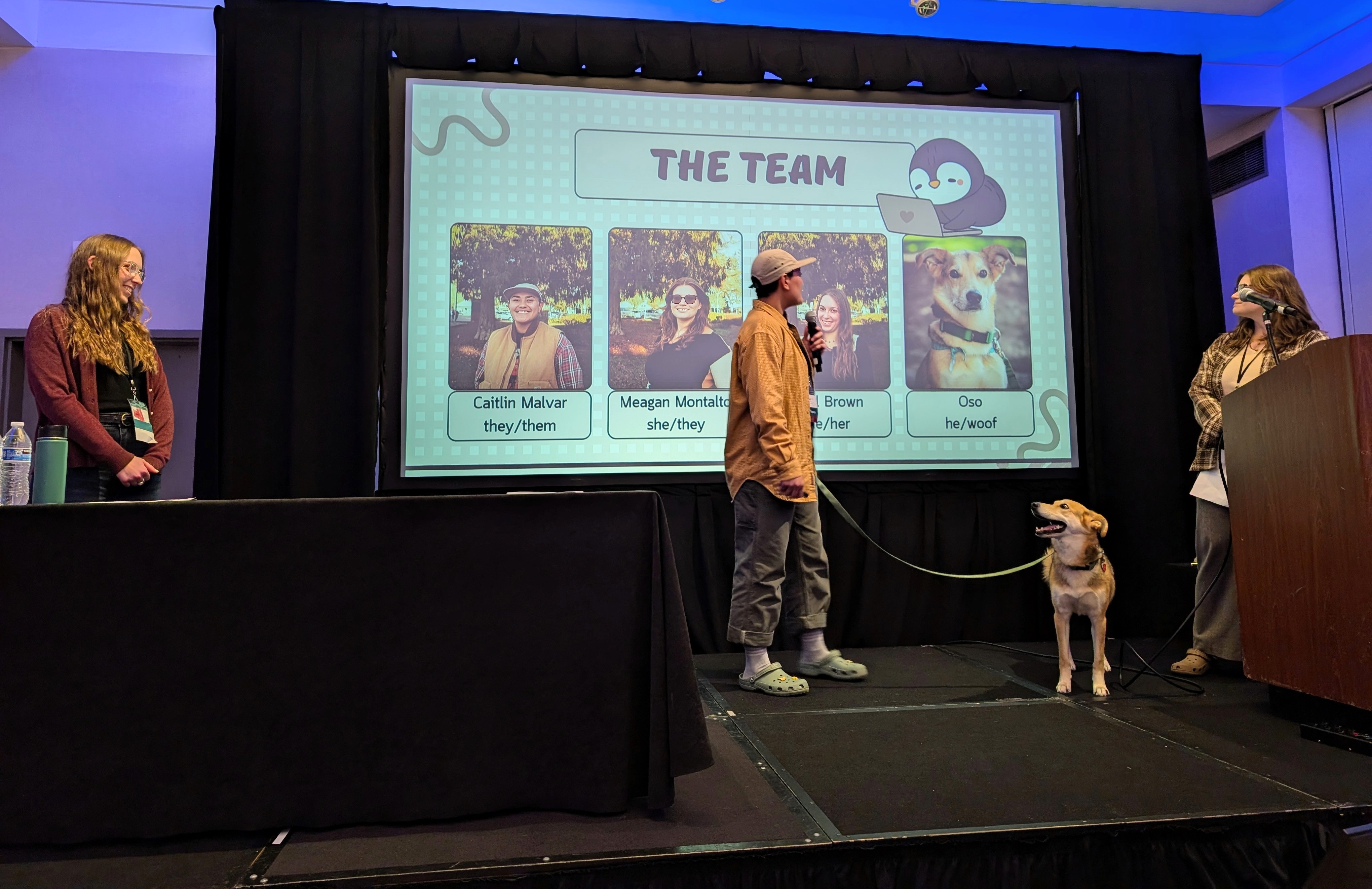
Another Clark presentation highlighted the college’s Basic Needs Hub and its relationship-centered approach to student support. Caitlin Malvar, Basic Needs Hub manager, presented alongside colleagues and Masters of Social Work interns, Meagan Montalto and Pearl Brown, as well as the Hub’s certified therapy dog, Oso (pictured above).
Their session explored how the Hub moves beyond transactional service delivery to create systems of care rooted in trust, dignity, and long-term engagement.
“Our goal is to reduce barriers and make students feel seen,” Caitlin said. “Support should feel welcoming, not complicated or stigmatizing.”
Presenters shared how tools such as the Basic Needs Intake Form and Basic Needs Referral Form streamline access to food, housing, and financial resources. Proactive outreach focuses on supporting systemically non-dominant student populations. The team also described how their case management model provides consistent follow-up and a single point of contact, helping students navigate multiple resources without repeating their stories.
Additional highlights included the Hub’s welcoming physical space, partnerships with the Washington State Department of Social and Health Services, College 101 classroom visits, inclusive language practices, and classroom visits from Oso.
Together, these strategies help normalize help-seeking and strengthen students’ sense of belonging on campus.
Strengthening Student Success Through Collaboration
Conference participation allowed Clark employees to learn from peers while sharing effective practices that support student retention and equity.
“Attending and presenting at the SSRC reminds us that our work has a real impact,” said Cath Busha, Dean of Student Engagement. “The conference also gives us new ideas to bring back to our students.”
Attendees returned to campus with fresh perspectives on collaboration, assessment, and innovation. These insights will continue to inform Clark’s efforts to improve student experiences and outcomes. By contributing to regional conversations on student success, Clark reinforces its role as a leader in inclusive, equity and student-centered education.
Learn More About Student Support Services
Clark College is committed to removing barriers and fostering belonging and student success through comprehensive support programs designed to help students thrive academically, personally, and professionally.
Students can access support through Student Affairs and Student Support Services, including:
-
- Success Coaching and Advising
- Basic Needs Hub (Food, Housing, Financial Support)
Photos: Clark College/Cath Busha
Story by Cath Busha, Dean of Student Engagement, Student Affairs