
Practicing Racial Healing with Council for the Homeless
Clark's annual National Day of Racial Healing event focuses on housing and advocacy
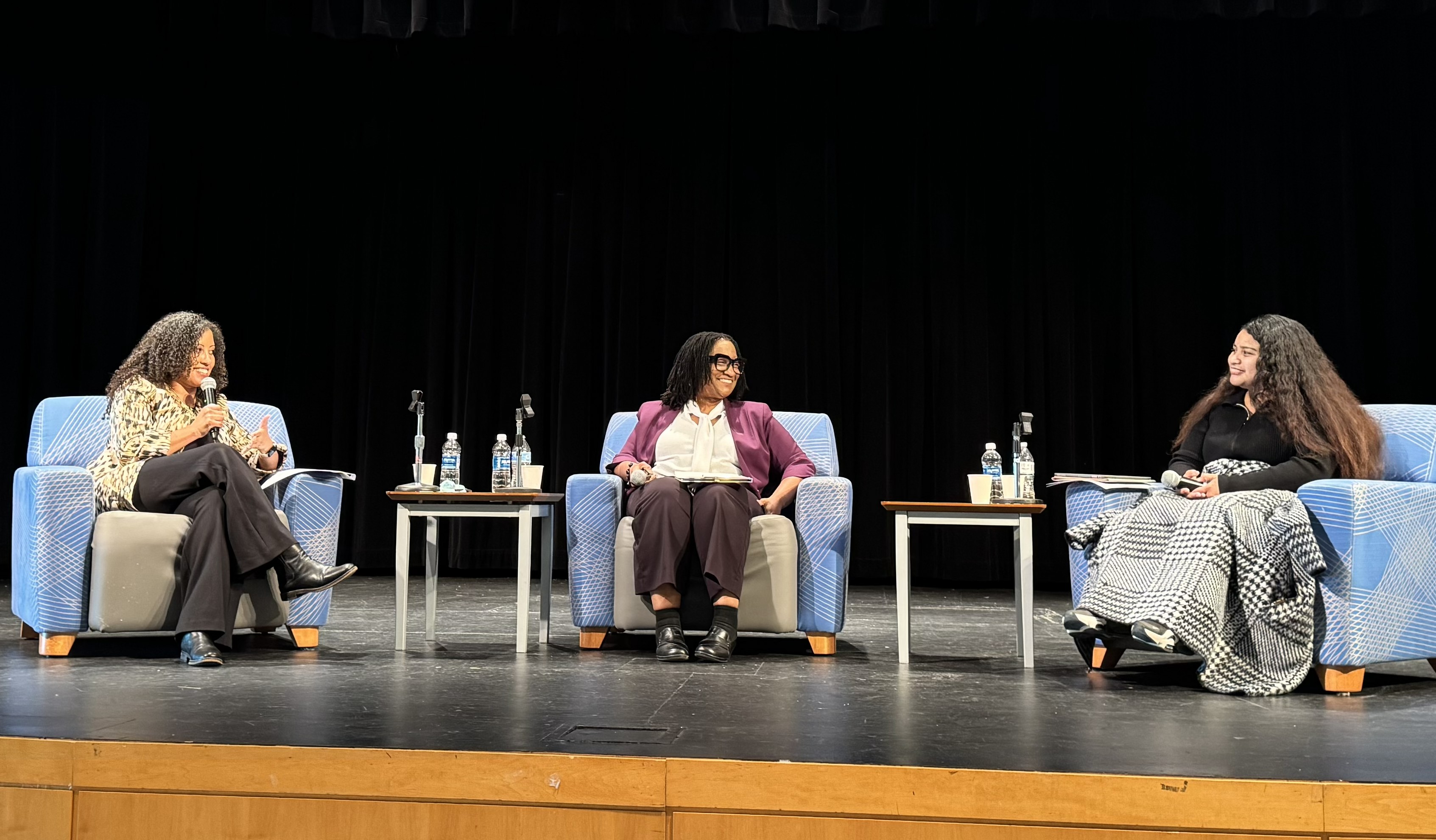
Pictured (L to R): Vanessa Neal, Sesany Fennie-Jones, and Gemma Somol
This year’s National Day of Racial Healing event at Clark explored what is required for healing when inequities are built into the systems we live with every day. The national day, observed annually on the Tuesday following Martin Luther King Jr. (MLK) Day, invited community members to join the Clark community in Gaiser Hall for an afternoon of conversation on advocacy, housing inequity, and collective healing.
Vanessa Neal, Clark’s Vice President of the Office of People and Culture, opened the event by explaining the day's purpose: to raise awareness of the need for racial healing and inspire sustainable change by extending MLK’s message of nonviolence and justice through communal action.
“Today is one day of many that call us to take stock of where we are as individuals, communities, and as a nation,” she said. “You can’t jump to healing without acknowledging where we’ve been."
Conversation with Council for the Homeless
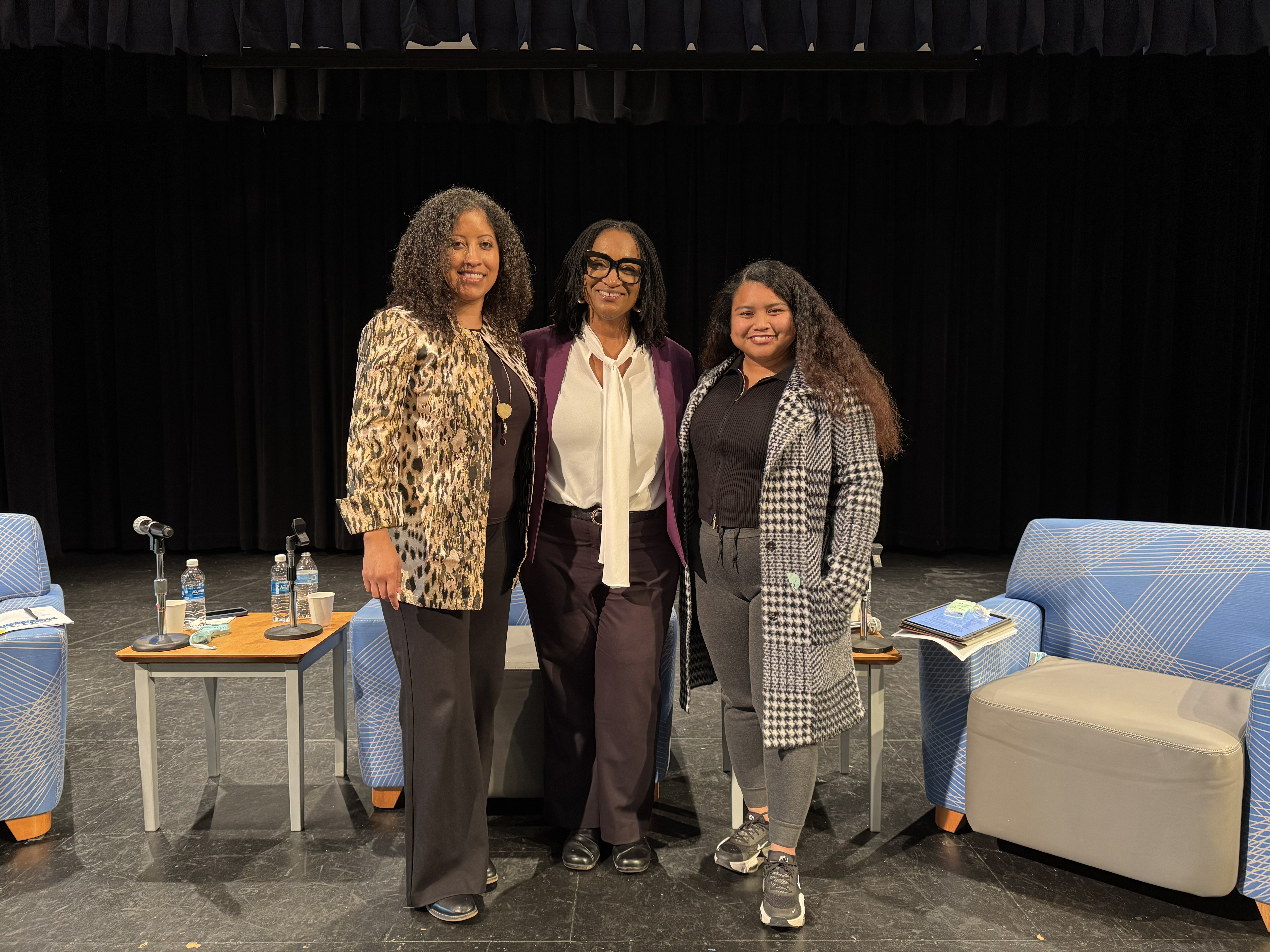
Vanessa introduced the event’s guest speakers from the Council for the Homeless: CEO Sesany Fennie-Jones and Gemma Somol, the Care and Engagement Coordinator, who works with individuals who identify as disabled or are over 60.
Sesany has lived in the community for more than three years after moving here from Minnesota, and brings more than 20 years of experience leading social service organizations. Her work, she said, always comes back to housing. Drawing from personal experience, including a period of being unhoused and years in recovery, she emphasized the importance of dignity, stability, and access to support.
Through a facilitated conversation, Vanessa posed questions about how racial healing intersects with houselessness, how common narratives can strip people of dignity, and what community members can do to help. The speakers also addressed myths that can contribute to the stigma.
Sesany challenged the misconception that people become homeless because of substance use or mental health conditions. In many cases, she said, the reverse is true. She also rejected the idea that people choose to be homeless. Job loss, the death of a primary income earner, or a medical crisis can all lead to housing instability, often after other options have been exhausted.
Policy decisions also play a role, Sesany explained. While Clark County’s 2025 rent stabilization bill — which limits rent increases to a maximum of 7% — was a huge win, wages have not kept pace with those increases. Zoning policies that prioritize single-family homes further limit housing options, while new developments are often labeled “luxury.”
“We should have layers of safe housing for all kinds of people,” Sesany said. “Don’t put assumptions on what people need or want.” She shared the example of her mother, who thrives in an apartment setting where community is intentionally built into the housing. “Housing inequities don’t happen by accident,” she said. “Inequities are embedded in these systems."
Gemma added that her conversations with individuals seeking support don’t begin with housing questions; they start with “How are you feeling?” She emphasized that many people carry trauma by sharing a story about a biracial couple who lived in an RV without water or power and were repeatedly targeted and threatened by community members and law enforcement. Because they were constantly chasing safety, she said, stability was always out of reach.
Sesany noted that securing housing does not erase the trauma of being unhoused and that continued resources are critical. “Houseless is not their identity,” she said.
Gemma shared another example involving a visually impaired Indigenous man who experienced frequent police encounters because he was perceived as “suspicious.” He didn’t have a record before experiencing houselessness, she said, but bias compounded the challenges he faced.
Despite the challenges, both speakers emphasized progress. “There are people and organizations that care,” Sesany said. “Communities are coming together to provide authentic services. That’s the magic of this community.”
When asked how individuals can help, Sesany encouraged everyone to show up. “Vote. Email your elected officials. Advocate,” she said. “When we’re silent, policies don't change.”
Gemma added that it’s important to find your identity and values. “Those are your reminders to take up space — or make space for others.”
Winter Supply Kit Donations
As a collective action, the Clark community collected items throughout the week to create Winter Supply Kits for the Council for the Homeless. Donation boxes lined a wall in Gaiser during the event, gathering items such as hats, gloves, socks, and nonperishable snacks.
When supplies were dropped off at the Council on Thursday, Clark had collected enough items for 73 complete winter supply kits, as well as many single items, such as hand warmers and sleeping bags.
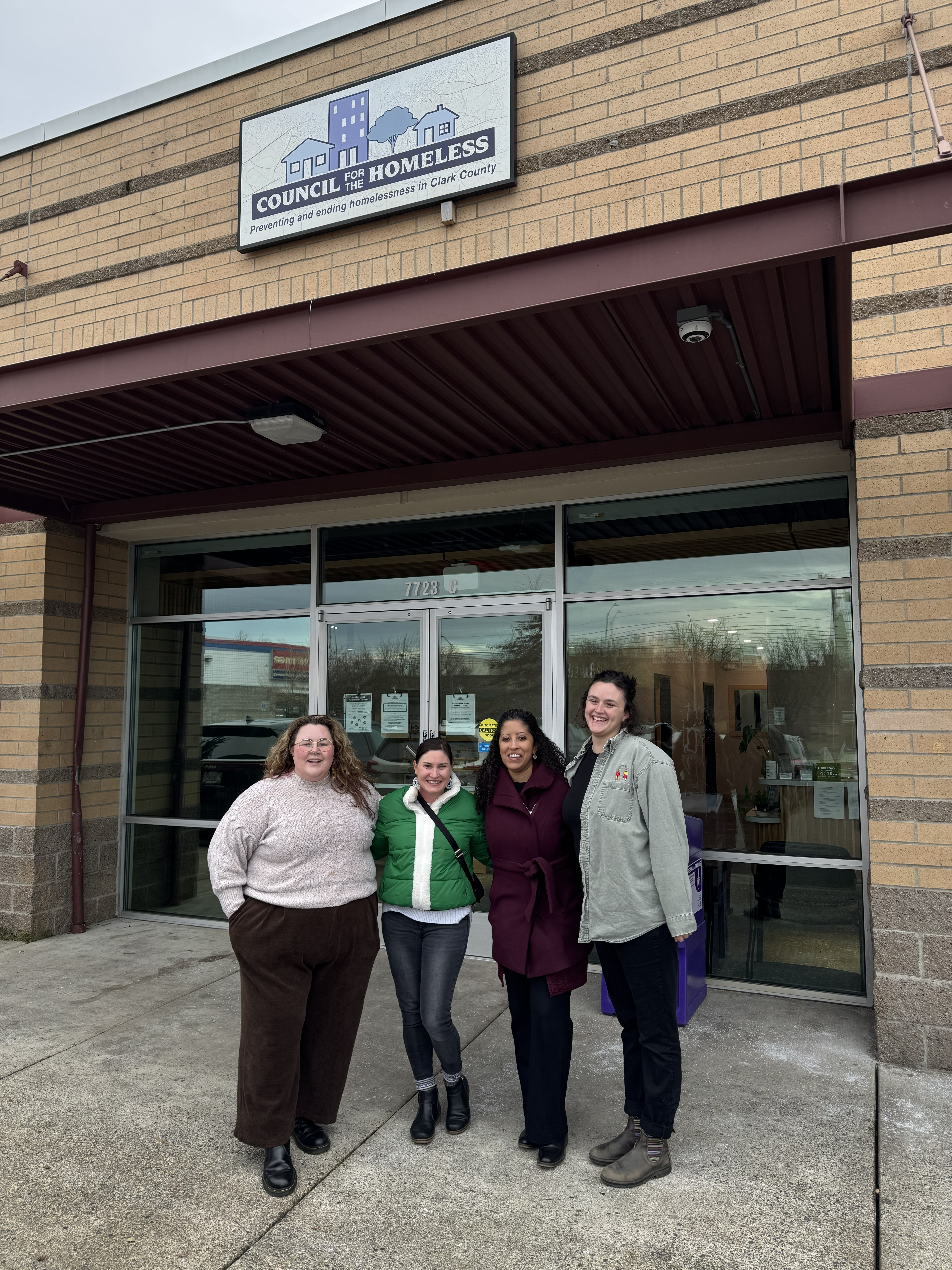
Pictured: Michelle Golder and Vanessa Neal at the Council for the Homeless
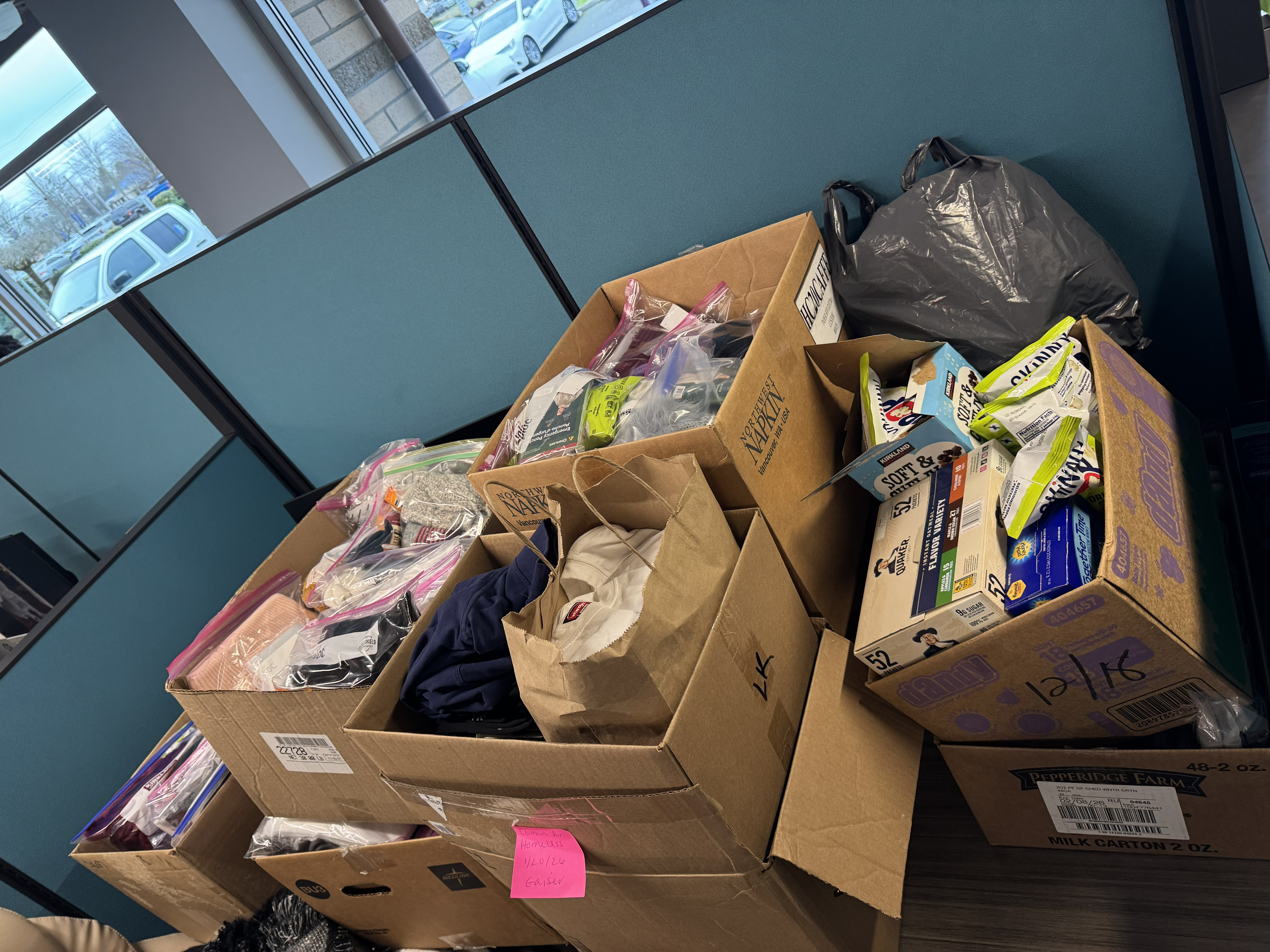
Pictured: Boxes of items donated by the Clark community to the Council for the Homeless
Stay Involved
Attendees were encouraged to participate in HOUSING & HOMELESS ADVOCACY DAY on Jan. 26. Participants will rally at the Capitol steps in Olympia and meet with legislators in support of strong housing and homelessness policies. More information is available on the Council’s Facebook page. Learn more about how you can stay involved by visiting the Council for the Homeless’s website.
Photos: Clark College/Carly Rae Zent and Malena Goerl
Story by Malena Goerl, Staff Writer, Communications and Marketing