
Allied Health Opens Doors for High Schoolers
Annual course provides hands-on healthcare experiences for local students
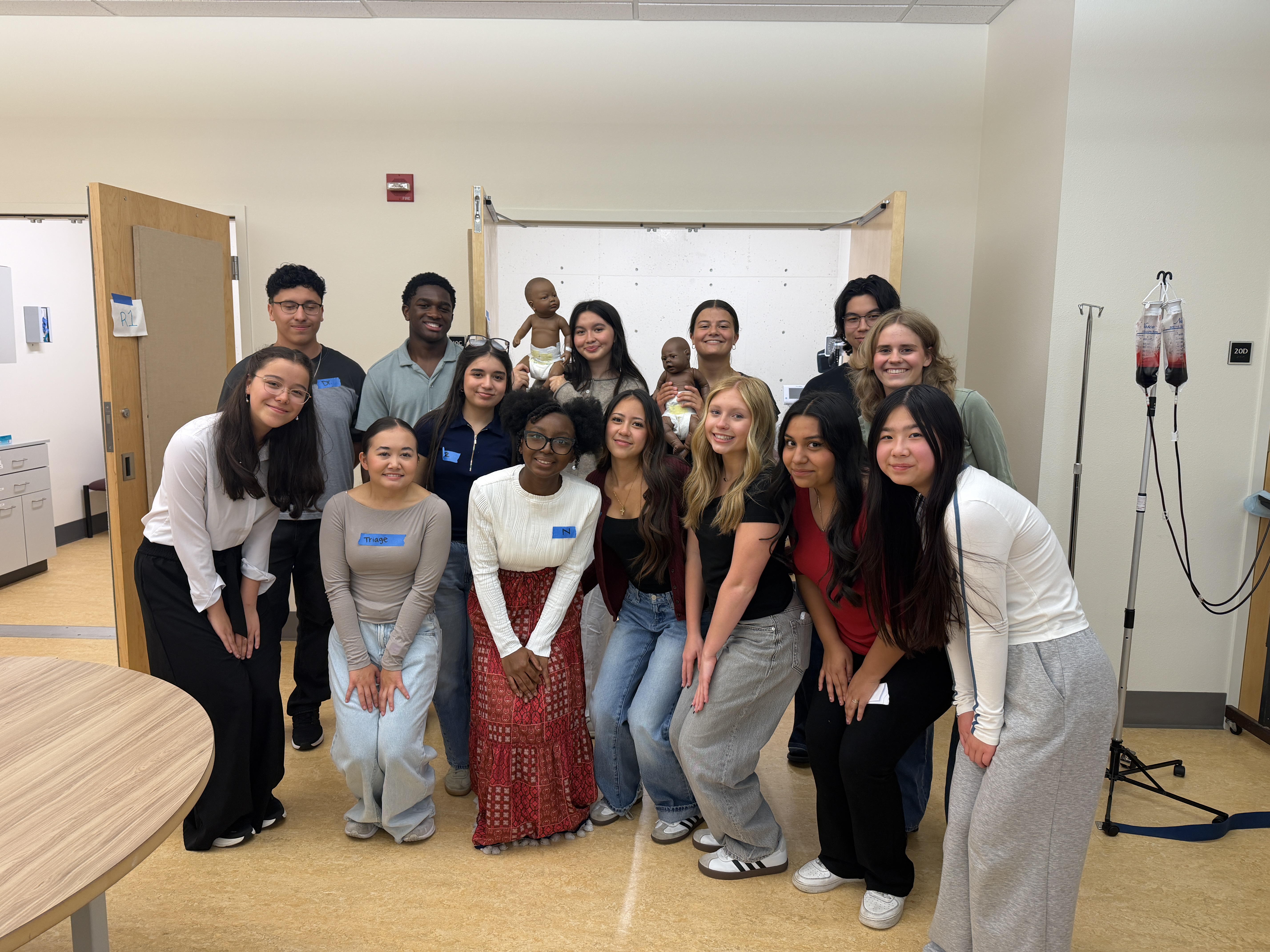 Pictured: AH 104 participants are all smiles after completing the emergency room simulation
on the final day of training.
Pictured: AH 104 participants are all smiles after completing the emergency room simulation
on the final day of training.High school student Abigail nodded encouragingly at her fellow program participants, the air humming with nervous energy. Moments earlier, Clark College instructor Miranda DeVault had explained the order of operations of an emergency room, and the students looked silently at the stations set up around the Allied Health classroom as they mentally prepared for the task before them.
Each student was taking on the role of someone in an emergency room — triage and floor nurses, doctors, lab and imaging technicians, and patients — for a simulation that gave them hands-on experience dealing with emergencies.
"If we work together, we can get it done," Abigail said to her classmates as they took their positions.
Then, the first patient burst through the door with screams of "Help me!" and the time for calm reassurances was over.
The simulation was the culmination of two weeks packed with healthcare pathway exploration at this year's AH 104 training. Created and led by Allied Health program support Lisa Barsotti, and medical assisting professor Miranda DeVault, the course combines classroom instruction, clinical shadowing, and professional mentorship, all while allowing high school students to earn college credit.
Together, Lisa and Miranda developed the curriculum and learning outcomes, built a partnership with The Vancouver Clinic, coordinated clinical experiences, designed the simulation and classroom components, and have delivered the program to future healthcare professionals. Educational Service District 112 was also a valuable partner for the program, providing transportation, meals, and grant administration.
Only in its second year, the program is already seeing major growth, with the number of participants doubling from its first year. While recruitment efforts previously focused on rural areas, this year's pool also included the greater Vancouver area, providing more opportunities to more students. However, current students had a more rigorous application process, which included both an essay and a Zoom interview with Lisa and Miranda. Of the thirty-one applicants, fourteen impressive high school students were selected to join this year's cohort.
Learning From the Experts
Damien, a junior at Skyview High School, is excited about a future in biomedical engineering and used this experience to learn more about the health care field. Shadowing surgeries and seeing the clinical side of the field were especially memorable for him. One session had students learning about the comprehensive health record management program, Epic. Exploring the systems that keep everything orderly was also an impactful experience for Damien, as this was his first time seeing the behind-the-scenes processes in the field.
Students also spoke with members of The Vancouver Clinic's executive team, Chief Operating Officer Shay Miller and Chief Medical Information Officer Dr. Erik Geissal. Dr. Geissal encouraged students to find the kind of medical professional they want to be, not the kind they thought they would be. He shared that he received average grades in college and didn't get into medical school on the first try. But he kept working and formed positive relationships with people in the field, which ultimately led him to being accepted into a school.
In another panel, seven professionals spoke with students about their areas of specialty. Each panelist had a unique journey to get to where they are today. Most didn't start in the medical field, and some changed careers two or three times before finding the right fit, allowing students to imagine new possibilities for their futures.
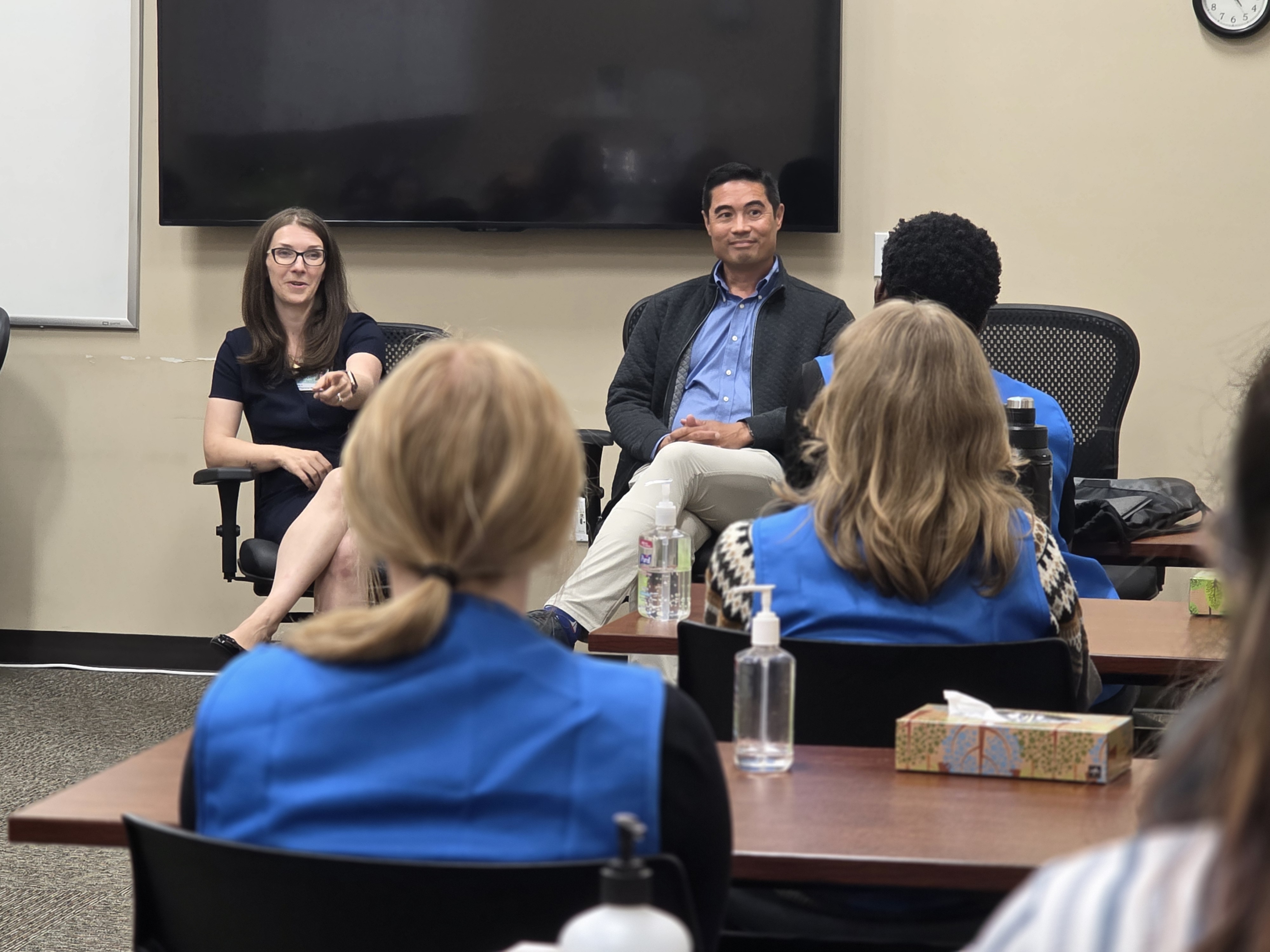 Pictured (L to R): The Vancouver Clinic's COO Shay Miller and CMIO Dr. Erik Geissal
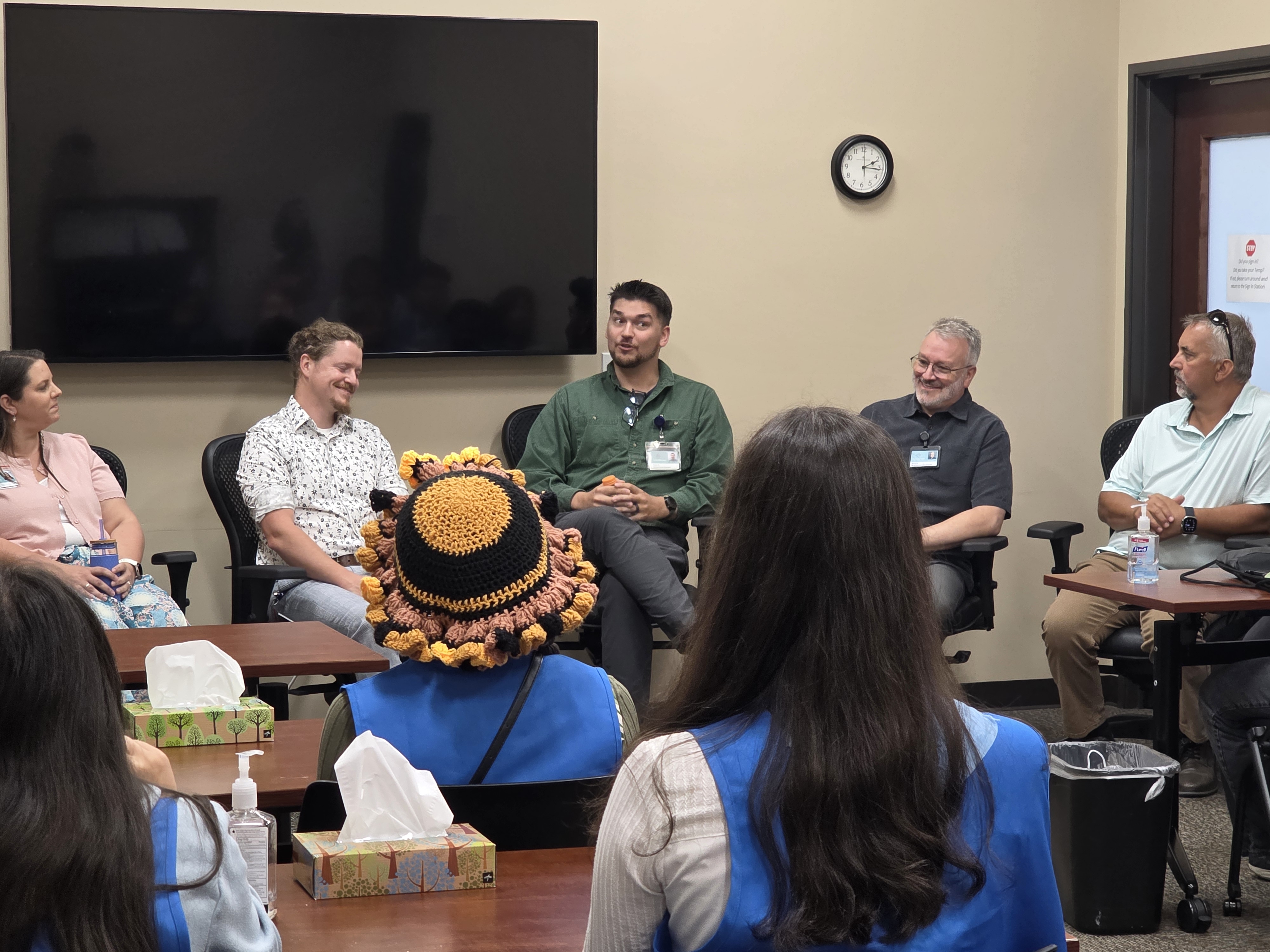 Pictured (L to R): Five of seven panelists, Christina McGrath (Epic application analyst);
Forrest Murphy (Epic systems technical trainer and Clark phlebotomy alum); Taylor
Smith (clinical nurse educator and Clark nursing alum); Randy Kepple (senior eLearning
instructional designer); and Derek Gunderson (surgical technology).
Pictured (L to R): Five of seven panelists, Christina McGrath (Epic application analyst);
Forrest Murphy (Epic systems technical trainer and Clark phlebotomy alum); Taylor
Smith (clinical nurse educator and Clark nursing alum); Randy Kepple (senior eLearning
instructional designer); and Derek Gunderson (surgical technology).Preparing for Futures in Healthcare
In the classroom, students practiced interviewing for medical schools, researched the financial and schooling logistics for different specialties, and built on the industry knowledge they gained during their rotations.
Recent Hockinson High School graduate Cassidey will study at Washington State University in the fall, and as she gears up for her next step, she appreciated the sessions that discussed the finances and timeline for each pathway.
"The program is a good opportunity for students to learn more about what they're interested in," she said, as most students don't have the opportunity to observe an umbilical hernia repair or touch real organs.
All of their training led to the energetic emergency room simulation on the final day. From the moment the first patient stumbled into the room, they were constantly put to the test as they attempted to diagnose each mysterious illness. They had to do this while trying to communicate with one another over the shouting of thirteen other voices, wrangling zealous patients, and using their training to correctly figure out the next step each patient needed. To add to the nurses' confusion, the doctor was always difficult to find, there was a long wait for lab results, and the room numbers weren't in order — all common scenarios in real-life emergency rooms, Miranda warned them.
Finally, after the last patient had been wheeled away, students collectively breathed a sigh of relief. In the debrief session, the group discussed the challenges and lessons learned, and Miranda revealed each patient's real diagnoses — from hand foot mouth disease to a heart attack, and with one patient going into active labor, the conditions displayed a wide range of symptoms that sometimes stumped the students. One patient who caused a scene from high anxiety didn't actually have a medical condition, and yet she took up a lot of the nurses' time — another common situation to learn from, Miranda explained, because the ER can't turn anyone away.
"Health care is rarely always or never," Miranda said. "You will all make mistakes, but it's important to not make the same mistake twice. Learn how to come forward when you do make a mistake."
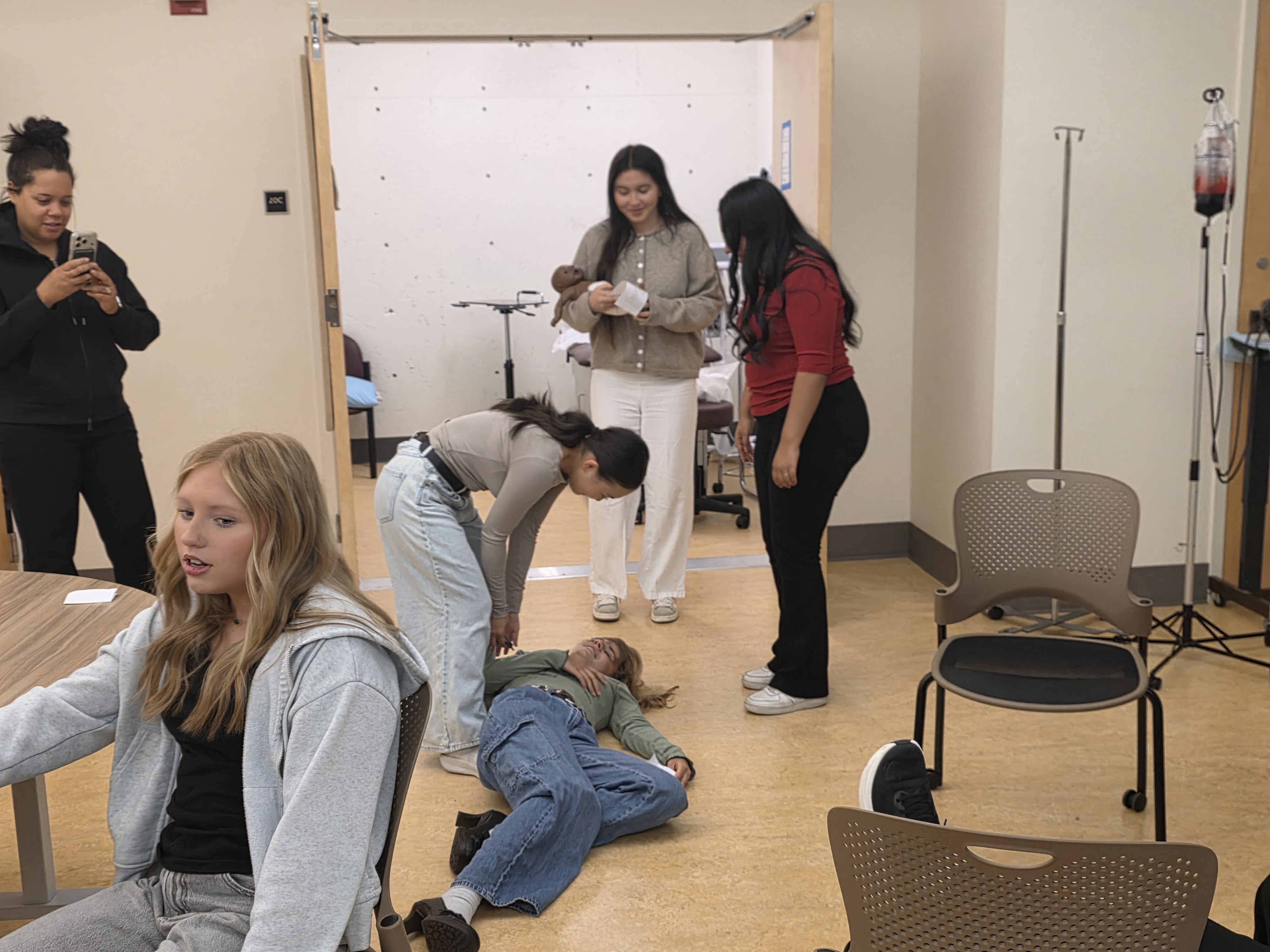 Pictured: Students participate in an emergency room simulation.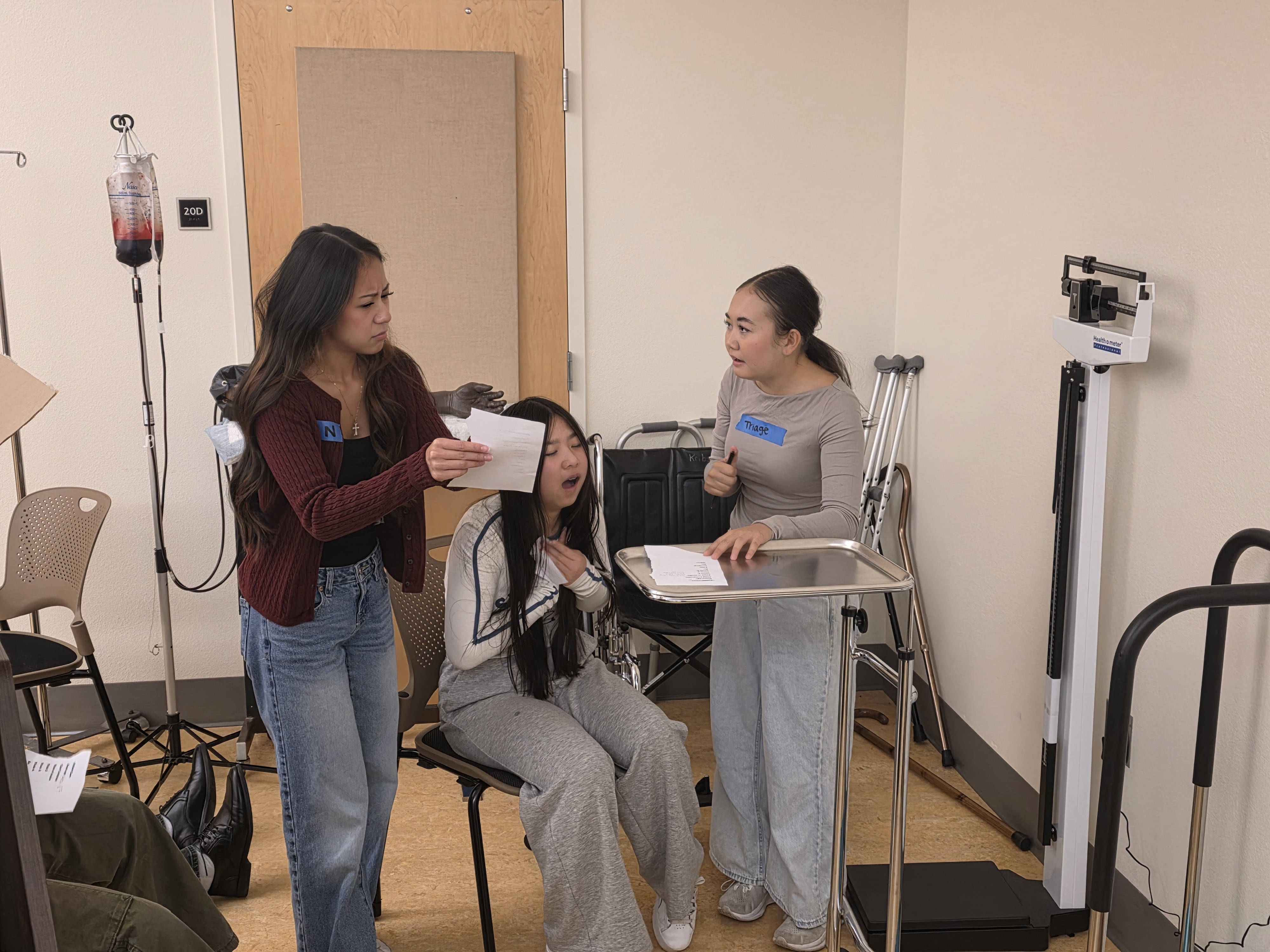
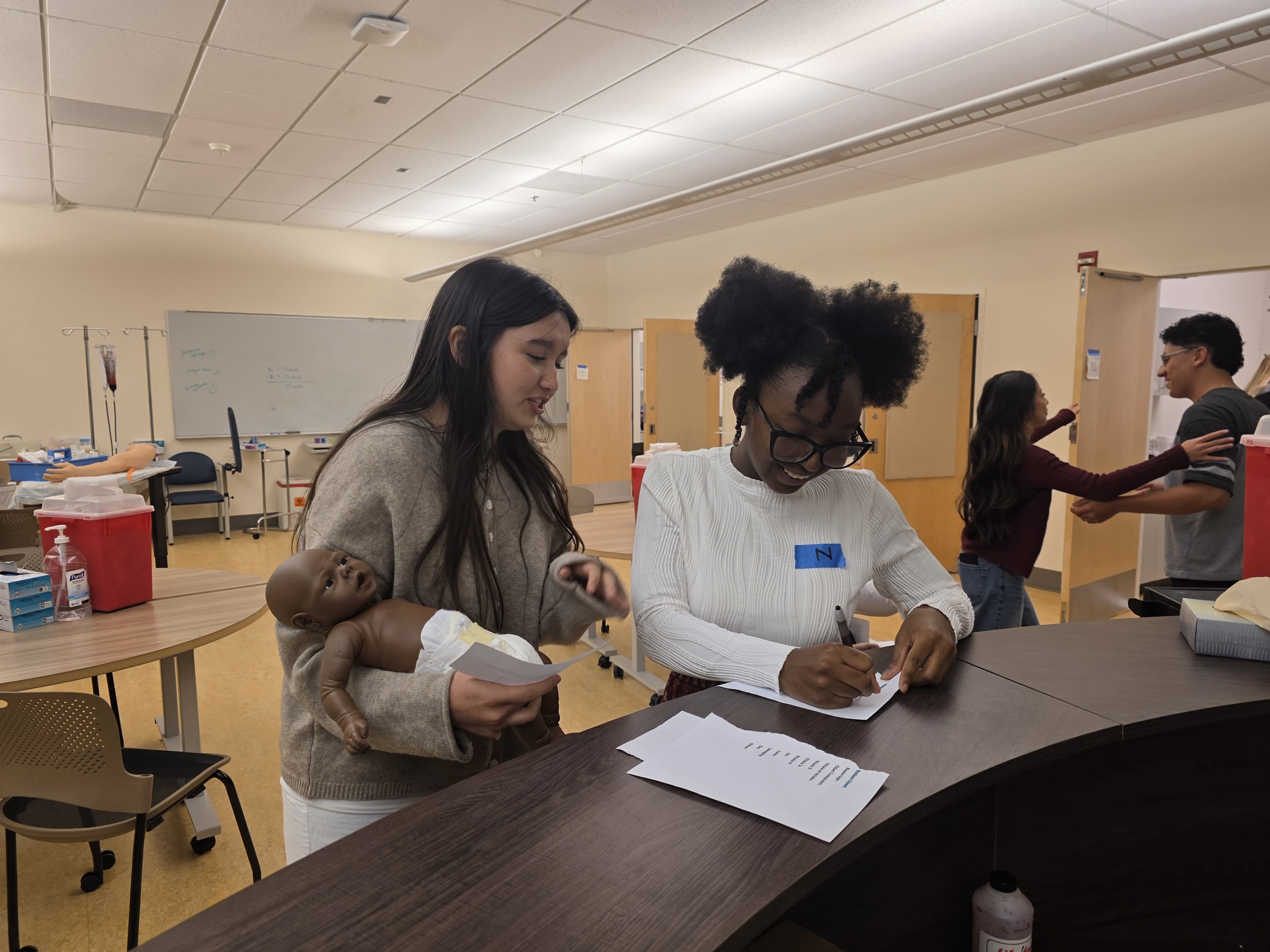
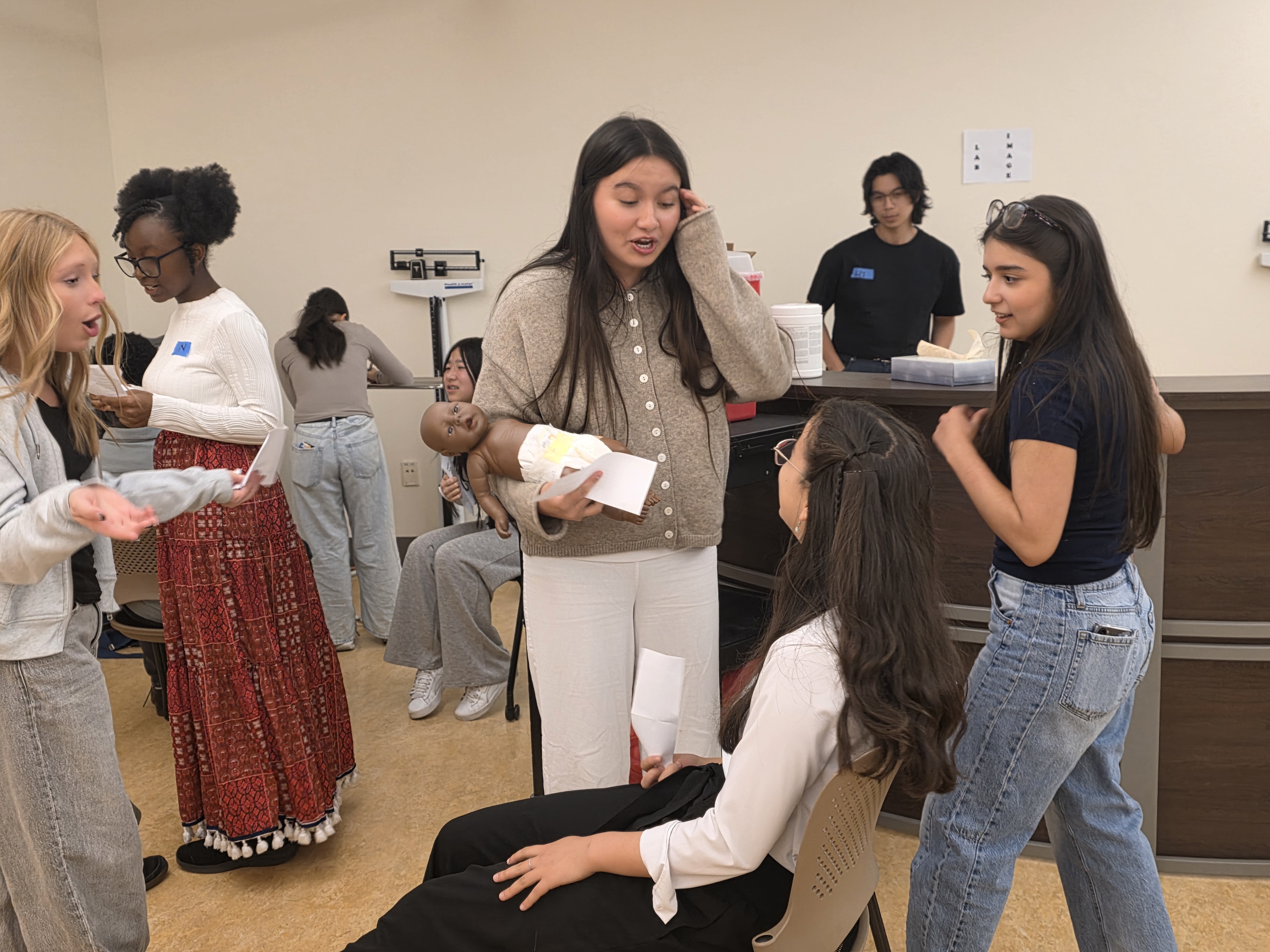
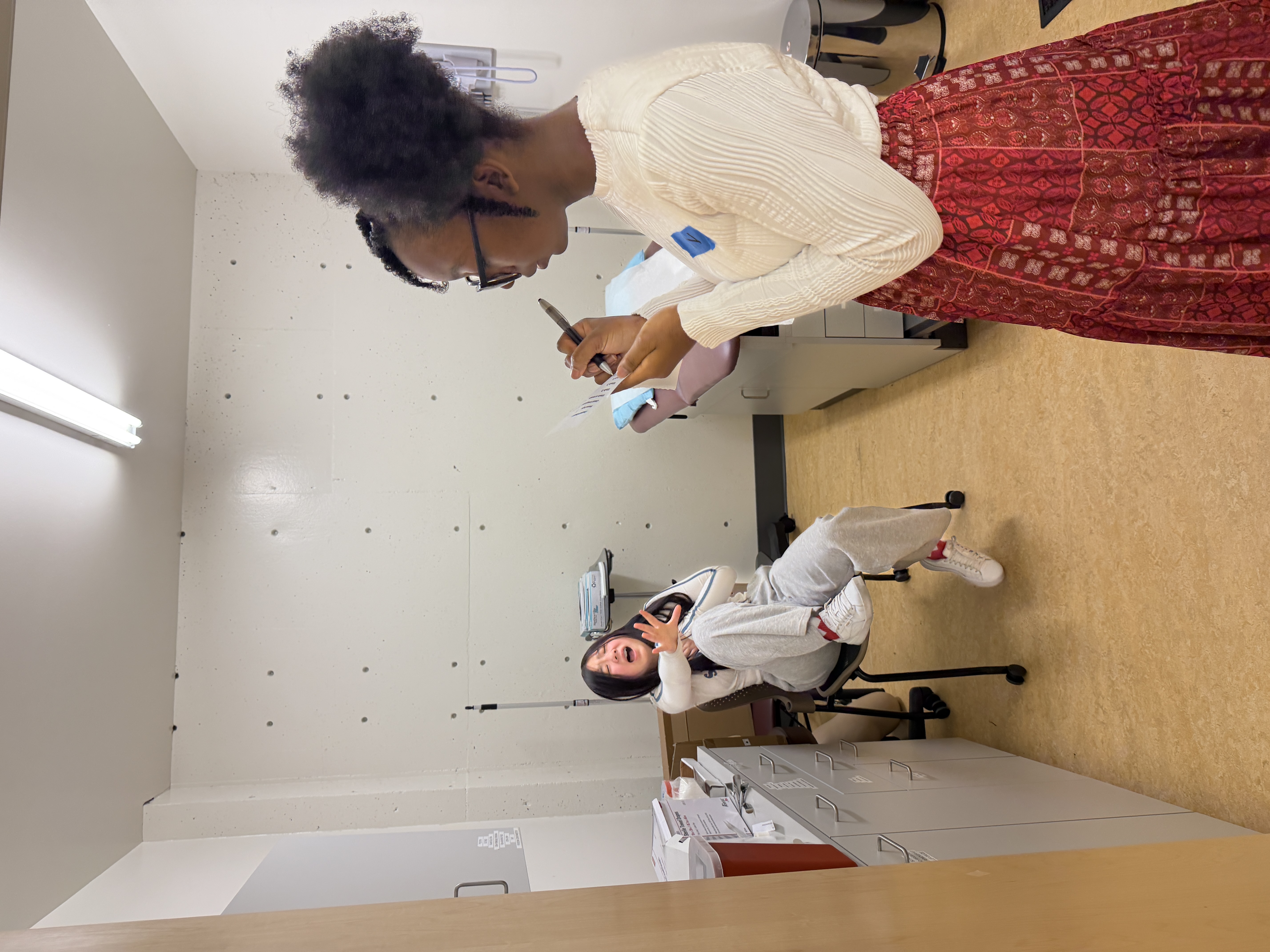
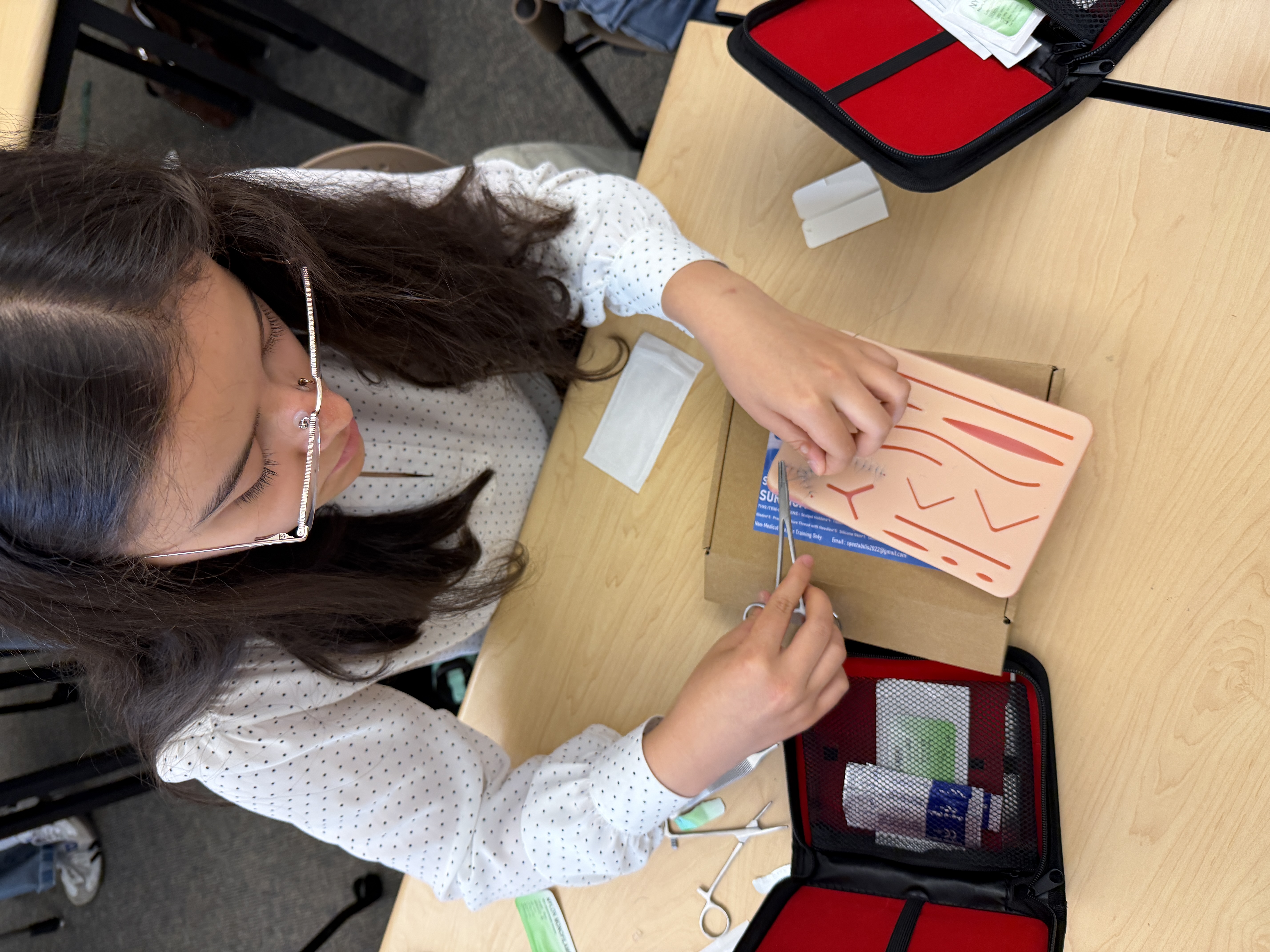 Pictured: A student practices removing sutures.
Learn More About Health Care and Biosciences at Clark College
Clark College has a long-standing reputation as a premier educator of health care professionals, preparing students for a range of settings including home care, hospitals, medical offices, pharmacies, and dental offices. The Allied Health program inspires the next generation of professionals through hands-on career exploration opportunities in areas such as dental hygiene, emergency medical services, health information management, medical billing and coding, medical assisting, nursing, pharmacy technician, phlebotomy, and surgical technology. Learn more about Clark's Health Care and Biosciences programs.
Photos: Clark College/Lisa Barsotti and Malena Goerl
Story by Malena Goerl, Staff Writer, Communications and Marketing