
Cybersecurity BAS
About
The Bachelor of Applied Science in Cybersecurity (CBAS) program at Clark College prepares students for cybersecurity careers through hands-on learning and industry-aligned coursework. Students develop skills in network security, secure programming, cybersecurity operations, penetration testing, digital forensics, IoT security, and data analytics.
Contact
Giga Alqeeq galqeeq@clark.eduRequest Information
Overview
The Bachelor of Applied Science in Cybersecurity (CBAS) program at Clark College prepares students for careers in cybersecurity through a blend of hands-on learning and industry-aligned coursework. Students develop skills in areas such as network security, secure programming, cybersecurity operations, penetration testing, threat analysis, digital forensics, IoT security, and data analytics.
The curriculum emphasizes real-world problem-solving, risk management, incident response, and the protection of information systems while also helping students prepare for industry-recognized certifications. The program concludes with a capstone project that allows students to apply their knowledge to create a comprehensive cybersecurity solution, equipping graduates for a variety of roles in the cybersecurity field.
High Demand for Cybersecurity Professionals
As organizations increasingly depend on digital systems and face evolving cyber threats, the demand for skilled cybersecurity professionals continues to grow. The CBAS program equips students with the knowledge and practical skills necessary to pursue opportunities in this rapidly expanding field.
Flexible Learning Options
Designed with working professionals and students balancing multiple responsibilities in mind, the program offers evening classes and both online and in-person attendance options, allowing students to effectively balance their education with work and personal commitments.
Industry-Aligned Curriculum
The curriculum is continuously reviewed and updated by cybersecurity practitioners to ensure students acquire relevant, in-demand skills. Coursework focuses on current technologies, emerging threats, security frameworks, and industry best practices. The program is aligned with the National Institute of Standards and Technology (NIST) cybersecurity frameworks and workforce guidelines, ensuring students gain knowledge and hands-on skills that are relevant to today's cybersecurity industry and employer needs.
Hands-On Learning Experience
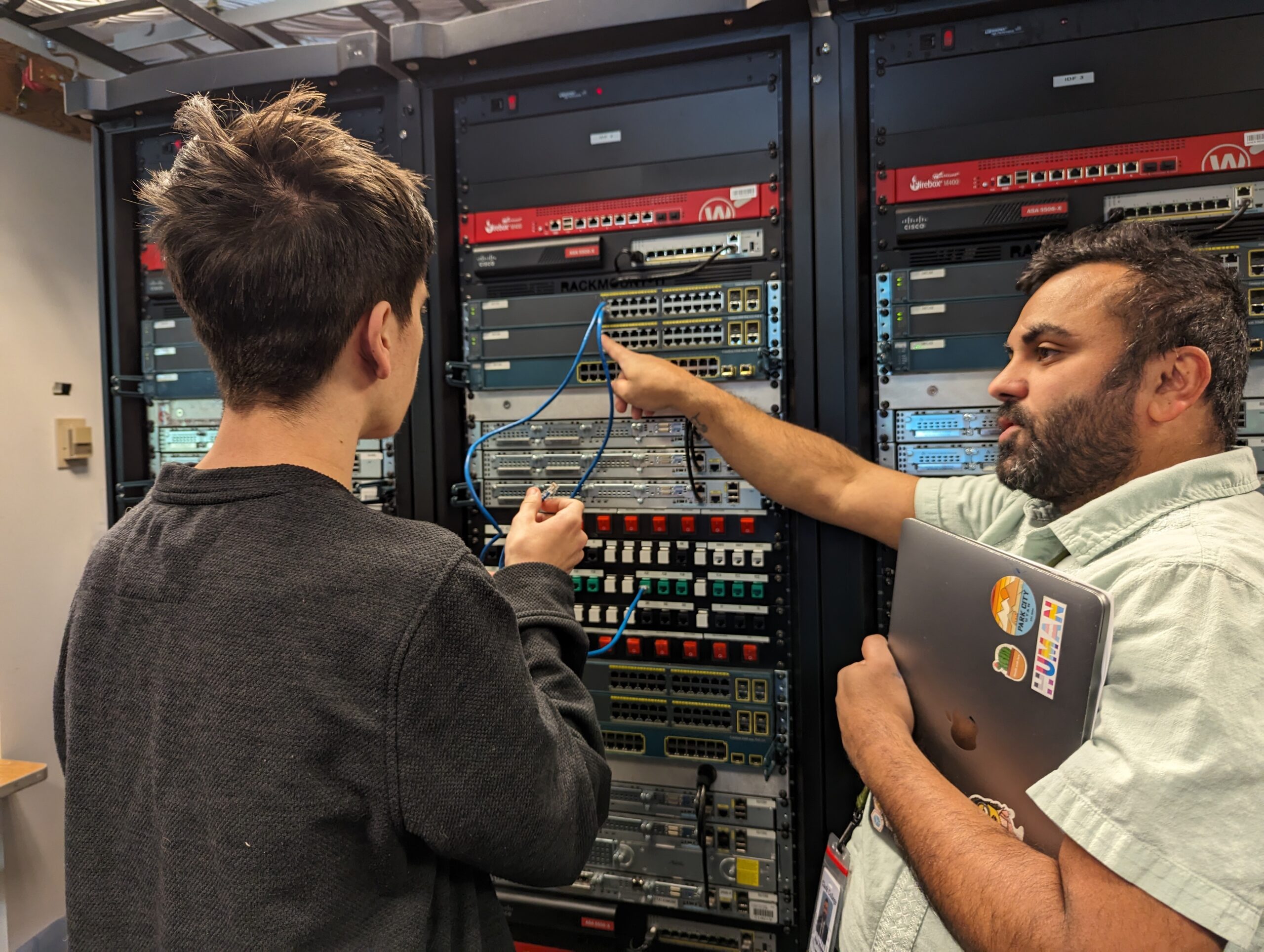
The CBAS program emphasizes applied learning through hands-on labs, cybersecurity exercises, virtualized environments, and real-world projects. Students gain practical experience working with industry tools and technologies, helping them develop the technical and problem-solving skills needed to address modern cybersecurity challenges.
Artificial Intelligence and Cybersecurity
As artificial intelligence continues to transform the cybersecurity landscape, the CBAS program integrates AI-related concepts and tools throughout the curriculum. Students explore how AI can be used to enhance threat detection, automate security operations, analyze large datasets, and support incident response activities. The program also examines the security risks, ethical considerations, and emerging threats associated with AI technologies, preparing graduates to effectively leverage and secure AI-driven systems in modern organizations.
Learn from Experienced Professionals
CBAS courses are taught by instructors who actively work in the cybersecurity industry. Their real-world experience brings current knowledge and practical insights into the classroom, helping students connect academic concepts to real-world cybersecurity challenges.
Welcoming Environment
The CBAS program embraces students from diverse educational, professional, and personal backgrounds. Whether students have extensive technical experience or are transitioning from another field, the program provides the support and resources needed for success.
Career Opportunities
Cybersecurity professionals are in demand across nearly every industry, including government, healthcare, finance, technology, manufacturing, and education. Graduates of the CBAS program are prepared for entry-level cybersecurity roles, including: Security Operations Center (SOC) Analyst, Information Security Analyst and Cybersecurity Analyst.
According to the U.S. Department of Labor’s Bureau of Labor Statistics, employment of information security analysts is projected to grow ~30 percent from 2022 to 2032, much faster than the average for all occupations.